

Where this comes from
The through-line is a single conviction: that certain rights belong to a person because they are a person, that no government granted them, and that no government may take them away.
That conviction leads in several directions at once. Into law and history, because the founding documents say it more precisely than most people realise. Into philosophy, because a right you cannot think clearly about is a right you will not notice losing. And into film, photography and events, because some things have to be shown rather than argued.
The aimis to raise awareness of what is and of what can be, and to encourage the implementation of what is best, in the effort to establish a more perfect union, world and life.
The methodis to quote the source, define the terms, show the evidence, and leave the conclusion to you. Free thought is worth nothing if it stops at the person asking for it.
On the founding language
Unalienable rights cannot be sold, surrendered, given, taken or transferred, not even with consent. Inalienable rights can be, the moment consent is given or assumed. The Declaration uses the first word. Most state constitutions use the second.
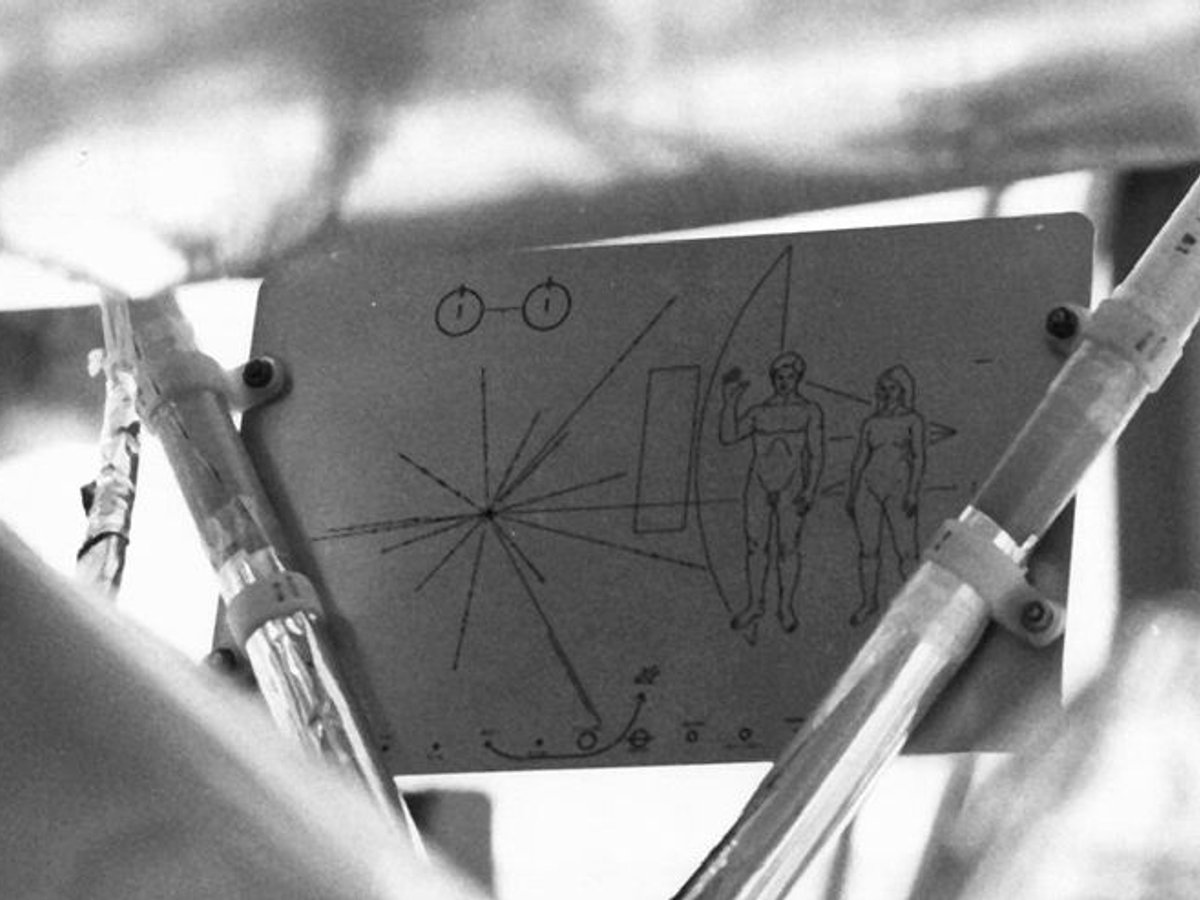
On free thought
Opinions should be formed on the basis of science, logic and reason, and should not be settled by authority, tradition or dogma. That standard applies to everything written here too.
On what to do about it
Speak up. Do something. Be concerned. If you wish to help, or you need help, the address on the contact page is open either way.