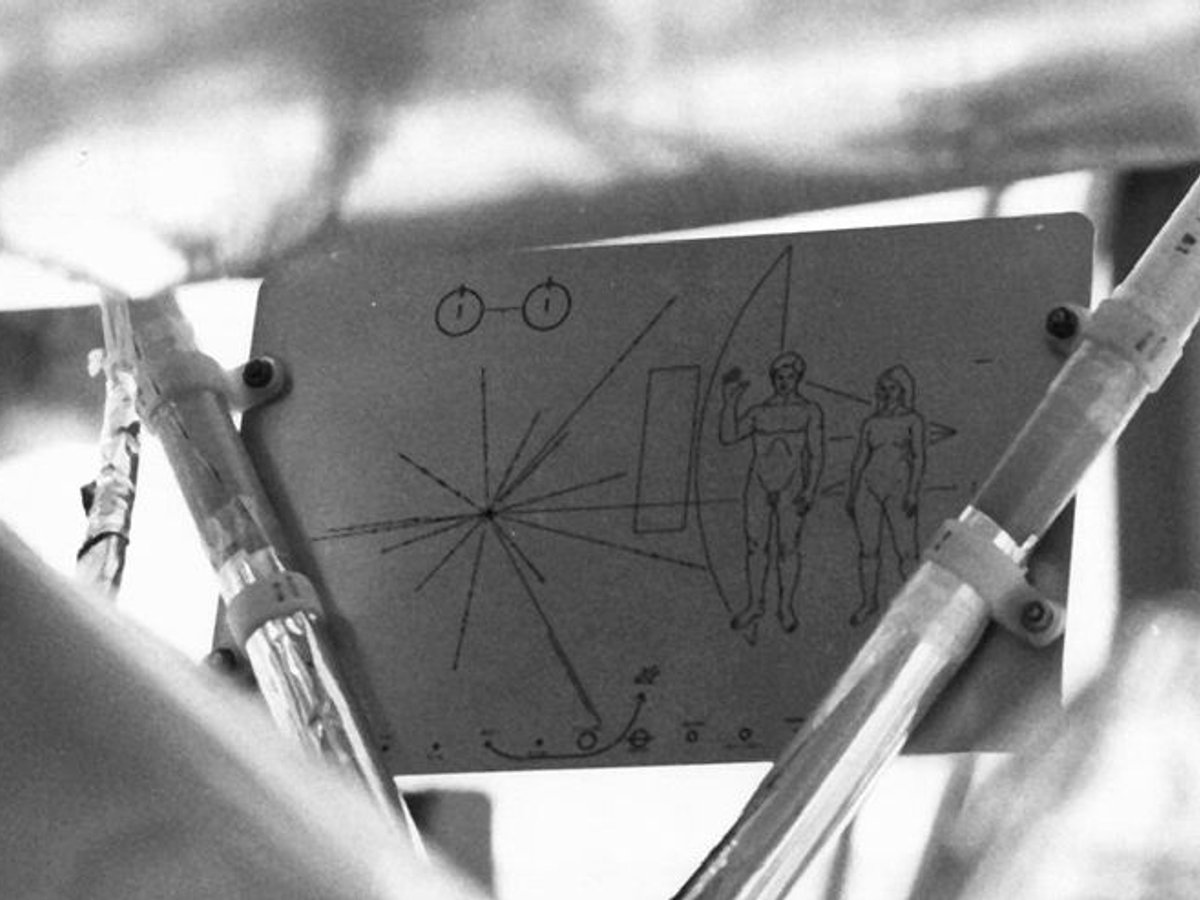
In 1972 and 1973, two spacecraft left Earth carrying a pair of gold-anodised aluminium plaques. Pioneer 10 and Pioneer 11 were the first human-built objects to leave our solar system, and each carried a pictorial message in case either was ever intercepted.
The plaques show a human male and female, together with symbols indicating where the spacecraft came from. They were mounted on the antenna support struts, positioned so they would be shielded from erosion by stellar dust. Somebody thought about that. Somebody worked out how to keep a message legible across a span of time that makes every human institution look temporary.
The part that should bother us
Consider what that decision required. Agreeing what a human being is. Agreeing what to say about ourselves to a reader we will never meet, who owes us nothing, and who will arrive long after everyone involved is gone.
We managed it. And in the same decades we could not reliably agree on the rights of people already alive and already here.
Thinking past your own lifetime
The usual excuse for short-termism is that human beings are simply built for the near future. The plaques are the counter-example. We are perfectly capable of acting on behalf of people we will never meet. We do it when the project is glamorous enough.
The unalienable rights of the people on this planet are exactly that kind of project. They outlast whoever is currently in office. They apply to people not yet born. They require somebody to decide, now, what will still be true later.
Earth from the outside
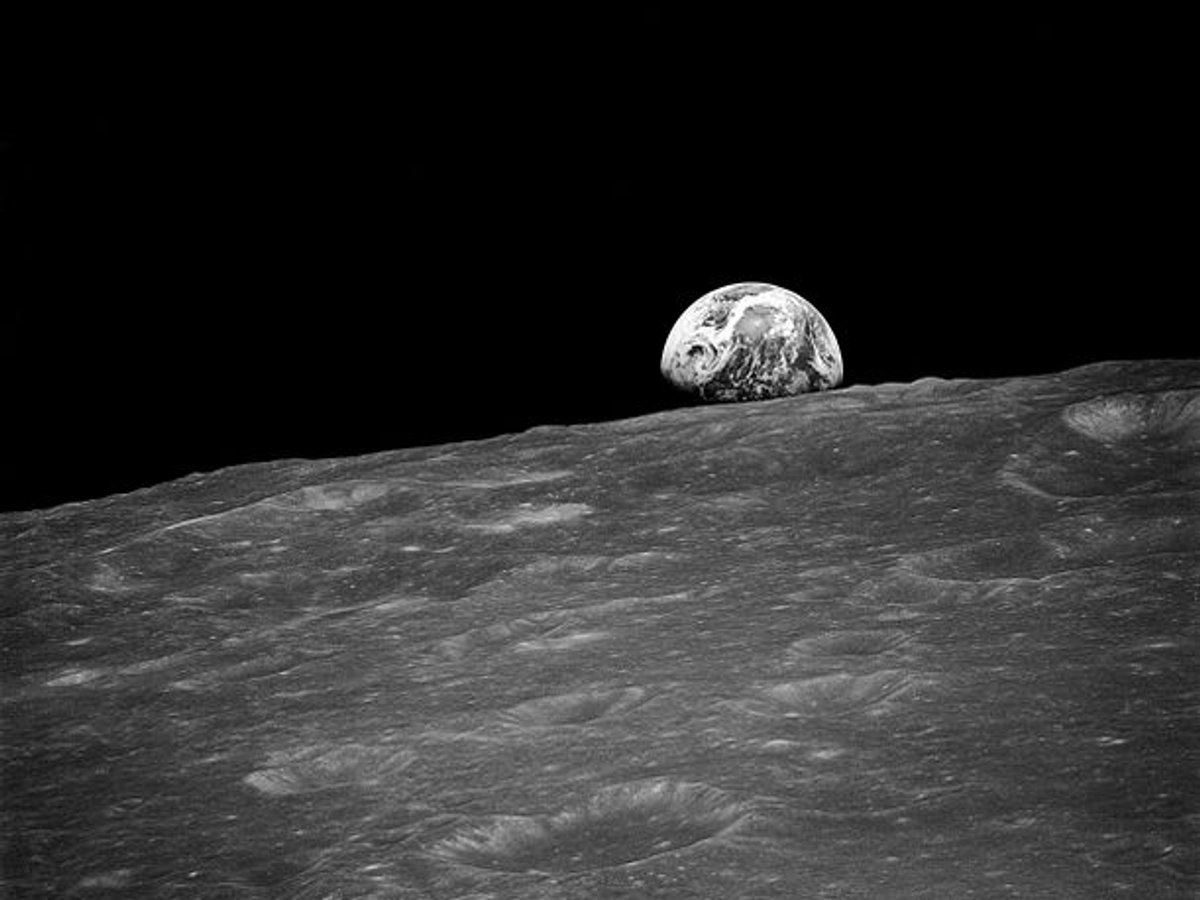
The other thing those missions gave us is the view back. This planet, third from its star, alive and crowded with life, small enough to sit inside a photograph. The people on it have unalienable rights, privileges and duties.
May this life, these people, this Earth, cast a light that can be seen from the darkness around it. That is not a decorative sentiment. It is a description of the job.