Documentary and video

Recording what is done in our name, so that it cannot later be described as something else.

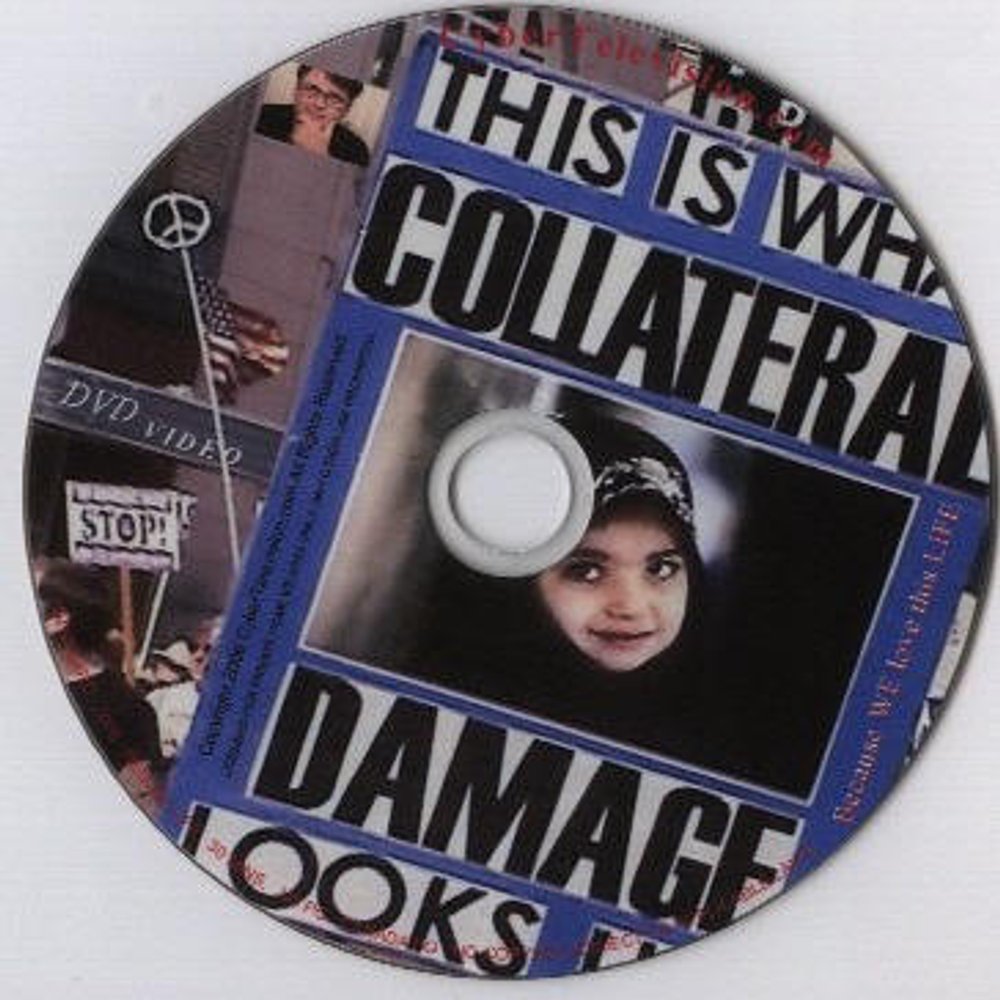
The DVD for the documentary This is What Collateral Damage Looks Like

Some things survive an argument only if somebody filmed them. Documentary work here is plain and unglamorous: point the camera at what is actually happening, name it accurately, and let people decide for themselves what they are looking at.

What this work covers

This is What Collateral Damage Looks Like is a documentary on DVD about the human cost of war, and about the phrase used to file that cost away. Collateral damage is language built to be skimmed past. The film exists to stop the skimming.

The approach does not change from project to project. Show the thing. Do not decorate it, do not soften it, and do not pretend the viewer needs help reaching a conclusion. People are capable of judgement when they are given something real to judge.

Alongside the documentary there is ongoing video and picture work: events, gatherings, and the ordinary moments in between that turn out to matter later. Much of it is recorded because nobody else was recording it.

1

The documentary

This is What Collateral Damage Looks Like is available on DVD. It is about the human cost of war and the vocabulary used to make that cost sound procedural.

2

How it is filmed

Show the thing plainly. No decoration, no narration telling you how to feel, no editing designed to reach the conclusion for you.

3

Events and gatherings

Ongoing video and picture work covering protests, gatherings and the ordinary moments around them, much of it recorded because nobody else was recording it.

4

Getting hold of a copy

Write to the address on the contact page and say what you are after. Requests from people who want to screen it are welcome.

How to take part

None of this needs a title, a budget or permission. It needs people willing to notice, to say so, and to act on it.

STEP 01

Speak Up

Say the thing plainly, in your own words, to someone who can hear it. Silence is read as agreement, and it usually is.

STEP 02

Do Something

An opinion held privately changes nothing. Turn up, write, record, organise, or simply refuse to go along with it.

STEP 03

Be Concerned

Pay attention on purpose, and keep paying it after the news moves on. Most rights are lost during the quiet part.

STEP 04

Get In Touch

Write and say what you want to work on. The same address is open whether you are offering help or asking for it.

How this works

No paywall, no gatekeeping and no appeal to authority. Read the sources, disagree where you disagree, and write if you want to take part.

William Jackson photographed outdoors

Read the source yourself

Claims here point back to the document or definition they came from, so you can check them rather than take my word for it.

Plain language, on purpose

Rights get taken with vocabulary before they are taken with law. Nothing on this site needs a specialist to translate it.

The door swings both ways

One address, whether you want to help with the work or you need help yourself. Both kinds of message get an answer.

Get Involved

Questions, answered plainly

The terms used across this site, defined, so nothing rests on a word you were expected to already know.

An unalienable right cannot be transferred, surrendered, given, taken or sold, and that holds even where consent is claimed. It is intrinsic and inherent to the individual. An inalienable right cannot be transferred without consent, which means it can be transferred with it, actually or constructively. Rights of that second kind are not inherent in a person and can be alienated by government. The Declaration of Independence uses the stronger word. Most state constitutions use the weaker one.

It holds it to be self-evident that all men are created equal, that they are endowed by their Creator with certain unalienable rights, and that among these are life, liberty and the pursuit of happiness. It goes on to state the reason government exists at all: to secure those rights, deriving its just powers from the consent of the governed. That is a duty placed on federal, state and local government alike.

Free thought is the philosophical position that opinions should be formed on the basis of science, logic and reason, and should not be settled by authority, tradition or dogma. Practising it is called freethinking. The demanding part is that it applies to your own conclusions and to anyone asking you to adopt theirs, including me.

Political freedom, or political agency, has been described as a relationship free of oppression or coercion, as the absence of disabling conditions together with the presence of enabling ones, and as the absence of economic compulsion. It is usually read negatively, as freedom from unreasonable external constraint. It also means the positive exercise of rights, capacities and possibilities for action, including social and group rights, and freedom from internal constraints such as social conformity.

Write to help@williamjackson.com and say which one it is. Offers to contribute, screen the documentary, host or take part in a happening, or work on the writing are all welcome, and so are messages from people who need help rather than want to give it. Every message is read.

There is a donation link at paypal.me/WilliamJackson. Contributions go towards the documentary, the events and the writing. Nothing on this site sits behind a payment, and support is voluntary.

Still have questions?Read them all

Together we are more

If you wish to help, or you need help, write and say which. Both kinds of message are answered.

Get Involved

SPEAK UP

DO SOMETHING

BE CONCERNED

Expires in

Limited time offer

We rebuilt your site for you. Claim it and we handle everything transfer, hosting, and your domain. Then update it anytime, just by asking AI.

Host for only$8 per monthBilled yearly
Claim limited offer now